Everything you need to know about the Red Sea Museum
A lively guide to Jeddah’s Red Sea Museum, exploring its galleries, collections and cultural programmes inside the historic Bab Al-Bunt building.

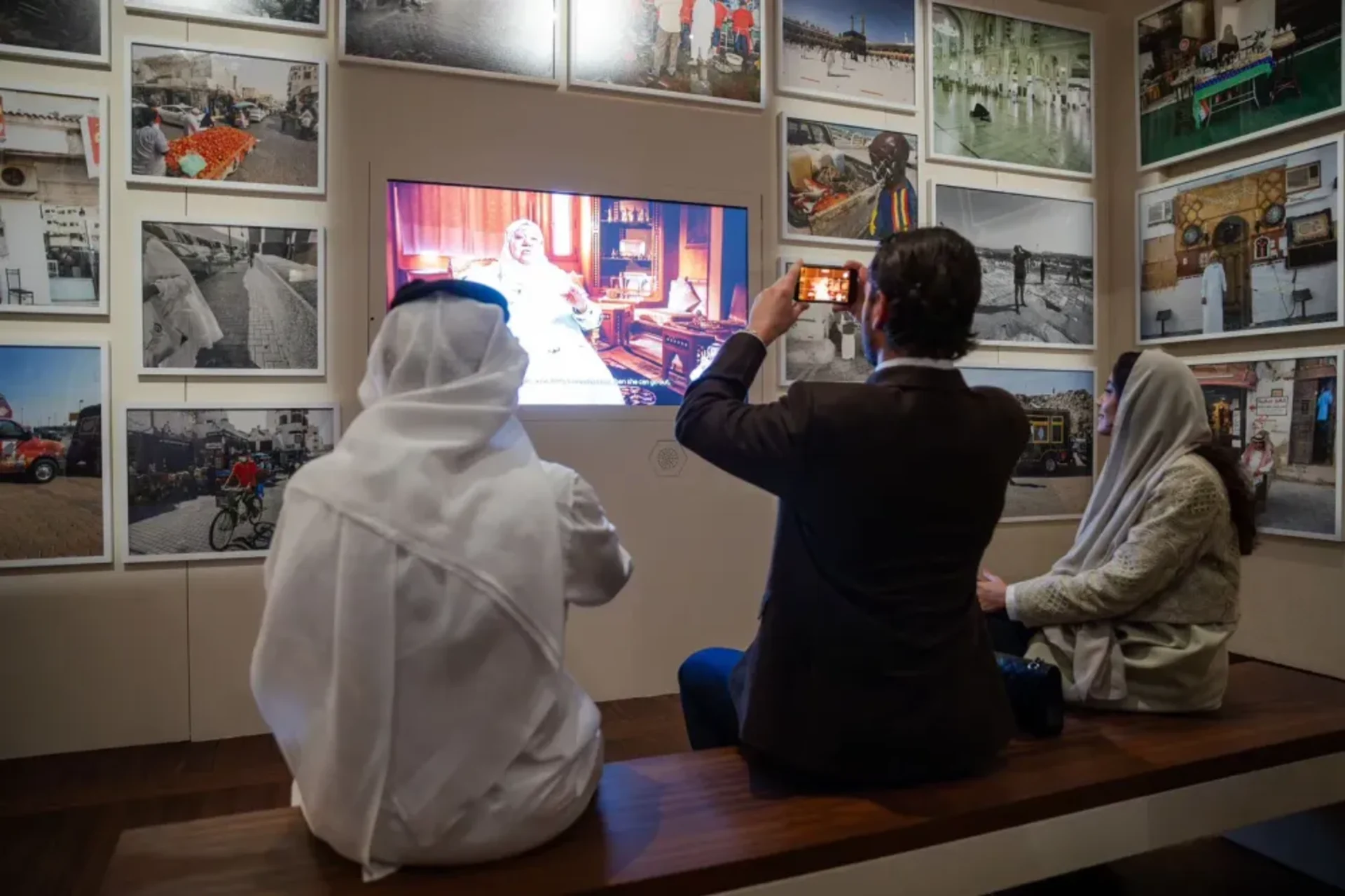
Image courtesy of Red Sea Museum
Dive into Jeddah’s New Red Sea Museum
Set inside the beautifully restored Bab Al-Bunt building in Al-Balad, the Red Sea Museum invites visitors to dive into the stories, cultures and coastlines that have shaped the region for centuries.
From ancient navigation tools to contemporary Saudi art, it brings the Red Sea’s rich past and vibrant present together in one immersive, family-friendly experience.
What is the Red Sea Museum?
The Red Sea Museum is a major new cultural institution in Jeddah dedicated to the natural, cultural and historical heritage of the Red Sea region. Positioned within the restored Bab Al-Bunt building in Historic Jeddah’s Al-Balad district, the museum brings together archaeology, art and maritime history across a programme designed to illuminate the Red Sea’s long history as a crossroads of trade, pilgrimage, ecology and cultural exchange.
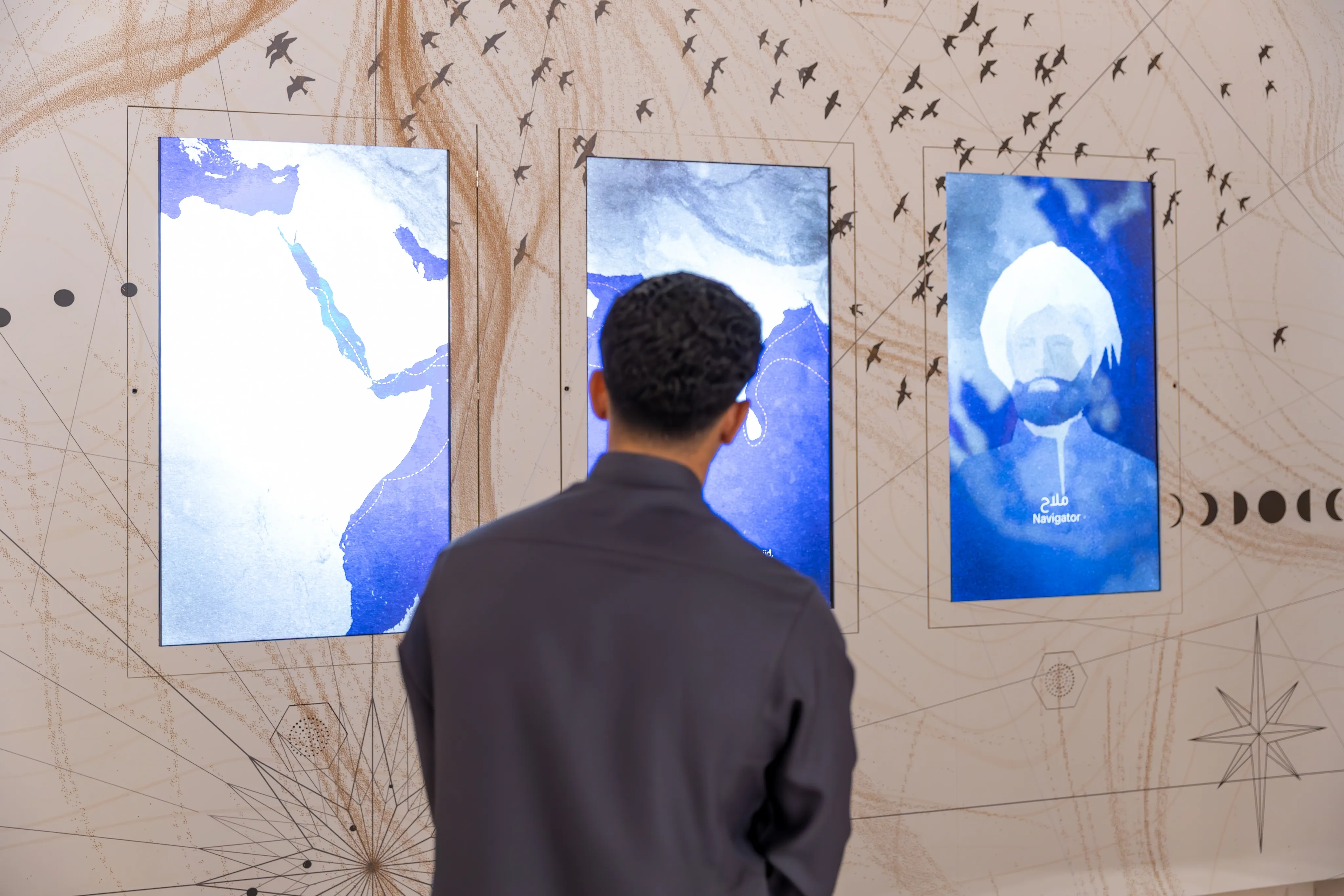
Housed in a UNESCO World Heritage Site, the museum combines the restored heritage architecture of Bab Al-Bunt, once Jeddah’s gateway from the sea, with contemporary museological design and immersive exhibition technology. More than 1,000 artefacts and artworks are presented across 23 galleries, organised into seven thematic sections that explore topics ranging from ancient navigation tools and maritime trade routes to coastal communities, environmental diversity and artistic interpretations inspired by the Red Sea.
The permanent collection includes items such as Chinese porcelain, coral jewellery, navigational instruments, historic maps and sacred manuscripts, alongside modern and contemporary works by Saudi and international artists. The museum’s design encourages visitors of all ages to engage with the multifaceted story of the Red Sea, linking material history with cultural narratives and ecological context.
The Seven Galleries
Among the museum's seven thematic sections are Al Bunt, which takes its name from the historic building itself and grounds the visitor in the site's role as a gateway between land and sea; Salam Upon the Sea, which draws on the region's long history of pilgrimage and exchange across the water; Orientation, which sets out the geography and maritime context framing the rest of the museum's story; and A Living Sea, which turns to the Red Sea's ecology and the coastal communities still shaped by it today. Moving between them, the museum builds its narrative in layers from the physical fabric of Bab Al-Bunt itself, out through trade and pilgrimage routes, and finally to the living, present-day Red Sea. The remaining sections continue this progression, rounding out the seven-part structure with further exploration of the artefacts, artists and communities tied to the Red Sea's history visitors are best served checking the museum's own gallery guide on-site for the complete sequence.
The Gate of Gates: The Opening Exhibition
At its opening, the museum also features a temporary exhibition titled “The Gate of Gates” by Saudi artist Moath Alofi, curated by Philippe Cardinal. This exhibition reflects on the transformation of Bab Al-Bunt and its role as a gateway between past and present, framing the building itself as an integral part of the cultural narrative on display.
Beyond the Galleries
In addition to its galleries, the Red Sea Museum launches with a programme of public activities including workshops, talks and masterclasses. Initiatives such as “Made in the Red Sea” provide artisan training, while performances like “Music of the Red Sea” celebrate the region’s rich musical heritage, expanding the museum’s remit beyond exhibitions into community engagement and cultural production.
The museum also aligns with wider cultural infrastructure initiatives under Saudi Vision 2030, reflecting the Kingdom’s investment in heritage preservation, sustainable cultural development and international exchange.
To discover more of what is happening across Saudi Arabia's cultural scene, from art weeks to biennales, explore our coverage from across the Kingdom.
Rooftop Café and Museum Shop
A rooftop café gives visitors a place to pause partway through a visit, with views back over Al-Balad's rooftops and out toward the sea the museum is dedicated to. On the ground floor, the museum shop stocks a curated selection of goods tied to the collection and the wider Red Sea region, offering a way to take part of the visit home. Both are positioned as a natural extension of the museum experience rather than an afterthought tacked onto the exit route.
Al Balad: The Museum's Historic Setting
The museum's setting is inseparable from its subject. Al-Balad is Jeddah's historic city centre, inscribed as a UNESCO World Heritage Site in 2014 in recognition of its role as a historic gateway to Mecca and a trading hub on the Red Sea coast for centuries. Its streets are lined with coral-stone merchant houses, many featuring the carved wooden balconies — rawashin — that once let air circulate through upper floors while shading interiors from the Jeddah sun. Landmark buildings such as Naseef House, one of Al-Balad's best-known restored merchant residences, sit within easy walking distance of the museum, making it straightforward to combine a visit with a broader walk through the historic district. Placing the Red Sea Museum inside one of these restored buildings ties the institution directly to the district's own history as a point of arrival and exchange, rather than setting it apart from it.
For those looking to explore further, our guide to art and culture in Saudi Arabia covers more of the Kingdom's most compelling cultural destinations.
When did the Red Sea Museum open?
The Red Sea Museum opened to the public on 6 December 2025 in Historic Jeddah.
Where is the Red Sea Museum?
The museum is located in the Bab Al-Bunt building within the Al-Balad Historic District of Jeddah, Saudi Arabia, a UNESCO World Heritage Site that anchors one of the oldest urban areas on the Red Sea coast.
Getting There
Jeddah is served by King Abdulaziz International Airport, with direct flights from most major Gulf hubs. From Dubai, direct flights take approximately 1 hour 20 minutes; from Abu Dhabi, around 1 hour 30 minutes; from Riyadh, a short domestic hop of around 1 hour 10 minutes, or a considerably longer drive if travelling overland. From the airport, ride-hailing apps and metered taxis are the most straightforward way into the city, with Al-Balad roughly a 20–30 minute journey depending on traffic and time of day. Al-Balad itself sits close to the city centre, and is best explored on foot once you arrive, given its dense, pedestrian-scale streets.
Admission and Tickets
Ticket prices are not currently listed on the museum's official channels. Visitors planning a trip should check the Red Sea Museum's official website or social channels directly before visiting, to confirm current admission costs, opening hours and any booking requirements particularly given how recently the museum has opened.
Visitor Experience
Inside, the pairing of restored heritage architecture with contemporary exhibition technology gives the museum a distinct rhythm: thick coral-stone walls and traditional wooden detailing sit alongside immersive, screen-based storytelling, so the building itself keeps asserting its own history even as the displays pull attention forward into the exhibits. The scale 23 galleries across seven sections makes for an unhurried visit rather than a quick pass-through, and the mix of family-oriented programming with more contemplative gallery spaces means the museum reads differently depending on how you move through it, whether that's a focused hour with the permanent collection or a longer, slower day layered in with the rooftop café and shop.
For visitors travelling with children, the museum's stated family-friendly design and the hands-on, community-facing programming (workshops, artisan training, live music) suggest a space built to hold attention beyond a single walk-through of the galleries, rather than one aimed purely at specialist museum-goers. Combined with its setting inside a working historic district rather than a purpose-built cultural quarter, the museum reads as much as a way into Al-Balad itself as a standalone destination.
Ready to explore more of the region? Browse our full collection of guides covering art, culture and travel across the Middle East.