
The art of paying attention in a life without limits
From the pages of their books to the experiences that shape our lives, sisters Noona and Roxie Nafousi explore identity, confidence and ambition in an interview with Fiona O'Sullivan, sharing their thoughts on personal growth and learning to appreciate the present.

Image courtesy of Roxie Nafousi
In conversation with Noona and Roxie Nafousi
Romanticising the everyday, creating space for stillness and finding the confidence to ask for more. At LIMITLESS LIVE, conversations about ambition and self-belief were accompanied by a reminder to appreciate the life we are already living.
Sisters Noona and Roxie Nafousi took the stage at Dubai's Theatre of Digital Art for an evening exploring identity, personal growth and the beliefs that shape our lives. Drawing on their experiences in leadership and manifestation, they shared perspectives on everything from self-worth to the people we surround ourselves with.
For Art In The Middle, Noona and Roxie reflect on identity, the expectations we place on ourselves and pursuing ambition without losing sight of the present.
LIMITLESS is built around leading from identity rather than performance. When is that distinction most tested?
Noona Nafousi
Identity gets tested when the thing you built it on gets taken away. That's happened to me more than once. For over twenty years, I was a headhunter. That was who I was. Then Covid hit and it was gone overnight.
It forced me to rebuild. This time I didn't build my identity on a title. I built it on who I chose to be. On the woman I wanted to call in. My future self.
So earlier this year, when my husband asked for a divorce, I lost another identity. I was a wife. And I didn't crumble. That wasn't luck. It was the work. My sense of who I am was solid because it belonged to me.
Your identity can't exist outside of you. It can't rely on a job, a relationship, or a role. It has to be something you truly own. Something no one can take from you.
How much do the people around us influence who we become?
Noona Nafousi
Limitless is based on connection. And the most important connection is the one you have with yourself. When you start living from the inside out, things change.
Here's a simple example. Imagine you've never set boundaries. Some people in your life may have taken advantage of that. The moment you start setting boundaries, those people gradually drift away. Not because you pushed them out, but because the version of you they depended on no longer exists.
That can feel like loss. It isn't. It's making room. The people who stay are the ones who can meet the new you.
You've been called 'the manifesting queen' by Forbes and the Financial Times. Has that label ever felt limiting as your writing evolves?
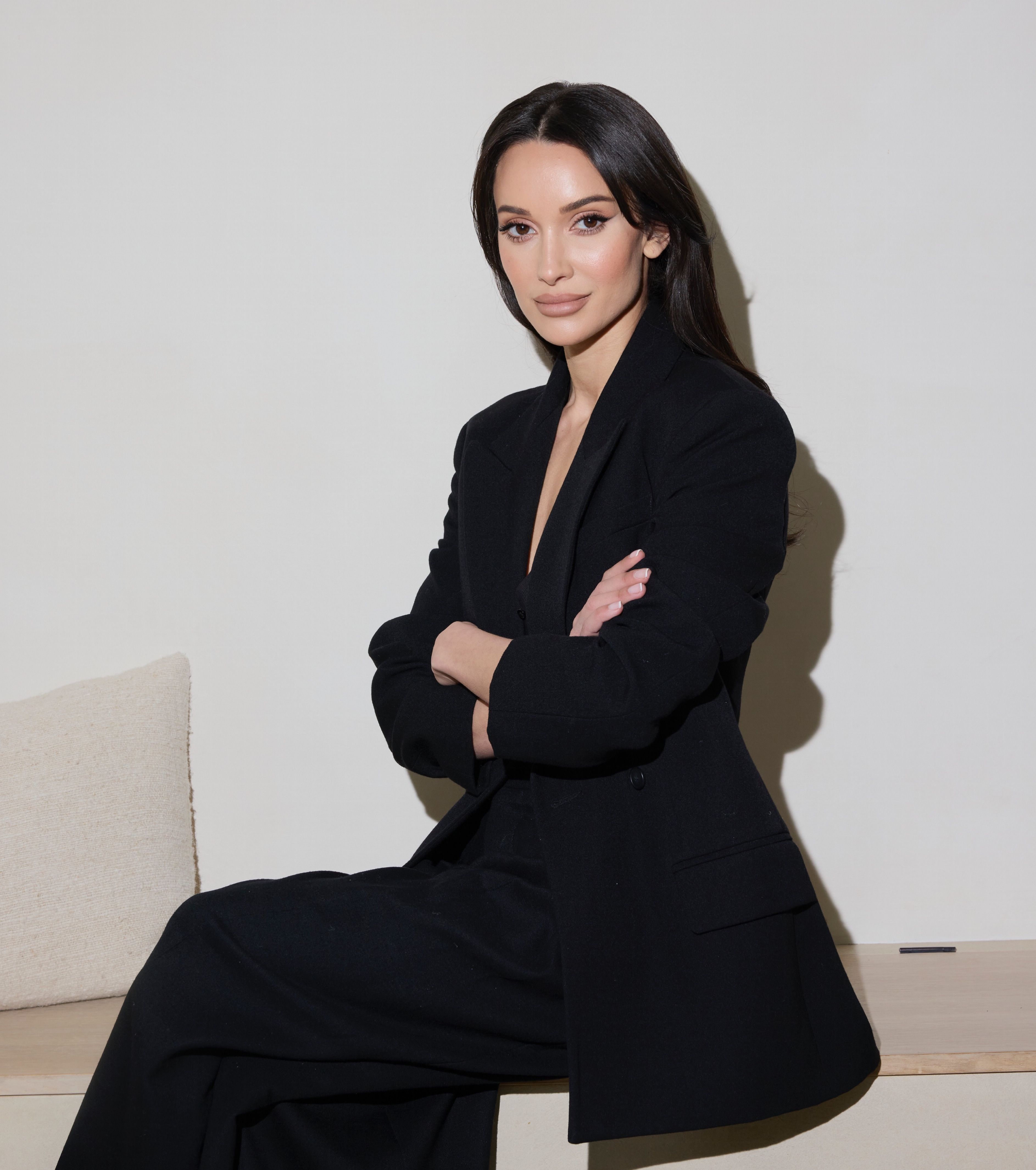
Roxie Nafousi
I feel incredibly grateful that manifestation has become so synonymous with my name, and that my work has helped bring the practice into the mainstream. But yes, I think any label can become limiting if you allow it to define the entirety of who you are.
The reason I wrote CONFIDENCE was because I wanted to explore something that I believe sits at the very heart of personal development: our relationship with ourselves. And now, with MANIFEST LOVE, I’m exploring how our self-worth, subconscious beliefs and attachment patterns shape our experience of love.
Manifestation has never been only about getting what you want. It’s about becoming the person you want to be, healing the parts of yourself that hold you back, and creating a life that feels as good on the inside as it appears on the outside.
When does commitment to a vision turn into attachment to the outcome, and how can we recognise the difference?
Roxie Nafousi
This is actually one of the biggest misconceptions about manifestation. People think that the more desperately they want something, the more likely they are to manifest it. But often, the opposite is true.
There’s a huge difference between being committed to a vision and being attached to an outcome. Commitment comes from belief. Attachment comes from fear. When we’re overly attached to something, we start to believe that our happiness, our worth, or our sense of fulfilment depends on obtaining it.
The law of detachment teaches us to be clear about what we want, take actions that align with it, and then let go of the outcome.
I always say you need to want something enough to pursue it, but not so much that you lose yourself in the process.
What would you say to someone whose daily life doesn't yet reflect the life they're striving for?
Noona Nafousi
I would say the vision isn't clear enough yet. Most people know and say they want a different life, but very few are specific about the version of themselves who lives it. And if the picture is blurry, the actions will be too.
So, get clear. Truly clear. Who is that future version of you?
Then ask yourself one question every morning: What would she do today? Not what feels easy. Not what feels safe. What would she do if she had no fear? Then do that. Especially when it feels uncomfortable.
Your circumstances aren't lagging behind. They're responding to your actions. Change your actions every single day, and your life will catch up.
Roxie Nafousi
I would remind them that just because you can’t see the transformation happening yet, it doesn’t mean it isn’t happening.
Before your circumstances change, your mindset changes. Your beliefs change. Your behaviours change. The decisions you make, the boundaries you set, the opportunities you pursue, and the way you show up in the world all begin to shift.
It’s about accepting where you are today without allowing it to dictate where you can go tomorrow.
You can be grateful for your present and still desire more for your future. You can acknowledge the challenges you’re facing while still believing that extraordinary things are possible for you.
Keep doing the work. Keep taking aligned action. Keep showing up as the person you are becoming. And most importantly, learn to enjoy the journey rather than postponing your happiness until you reach the destination.